THE CHALLENGE
Context & Problem
AdentI is AI software for voice recognition that writes the patient record automatically, in the role of a dental assistant. The concept explores how that assistance can support clinical and administrative work without obscuring information, undermining human judgment, or adding friction to sensitive workflows.
Exploring Hierarchy & Navigation
The interface balances dense clinical information with clear task priorities. These views highlight how hierarchy, navigation, and information disclosure adapt across contexts.
Navigation and patient information
A persistent sidebar and patient table adapt into compact navigation and individual patient cards on mobile.
DESKTOP
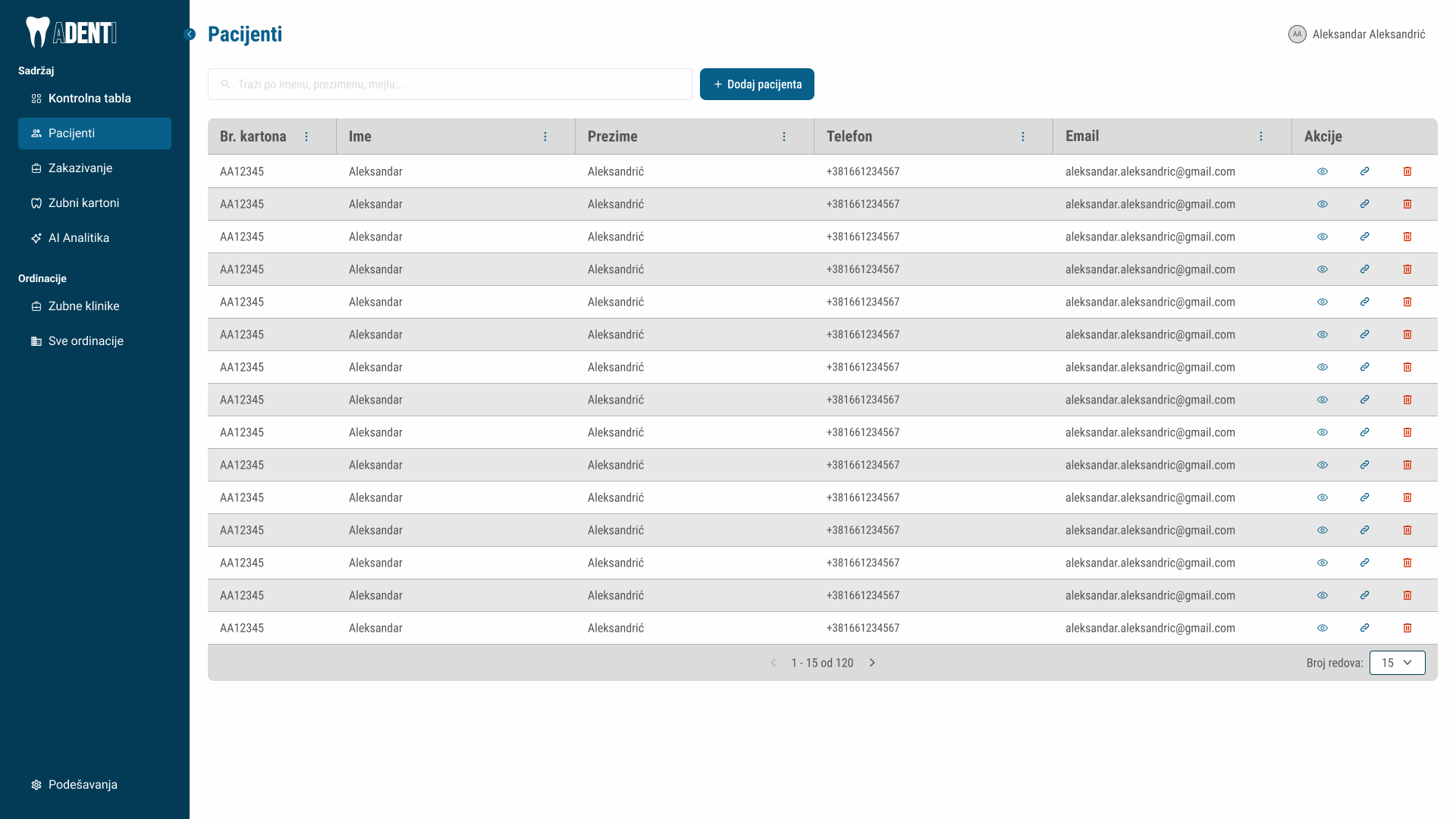
MOBILE
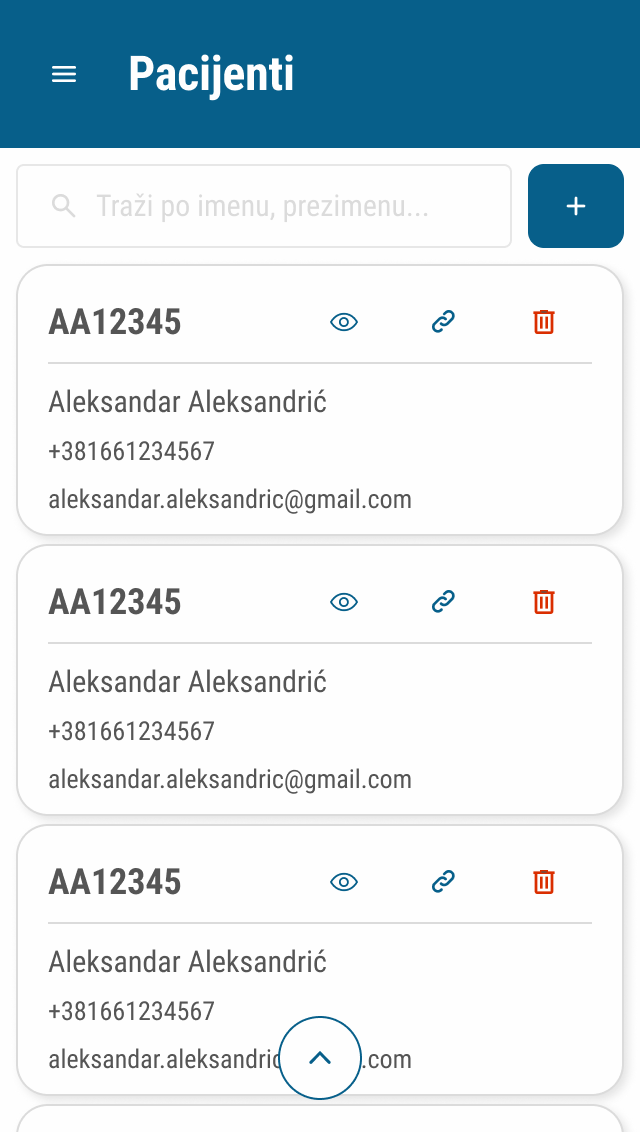
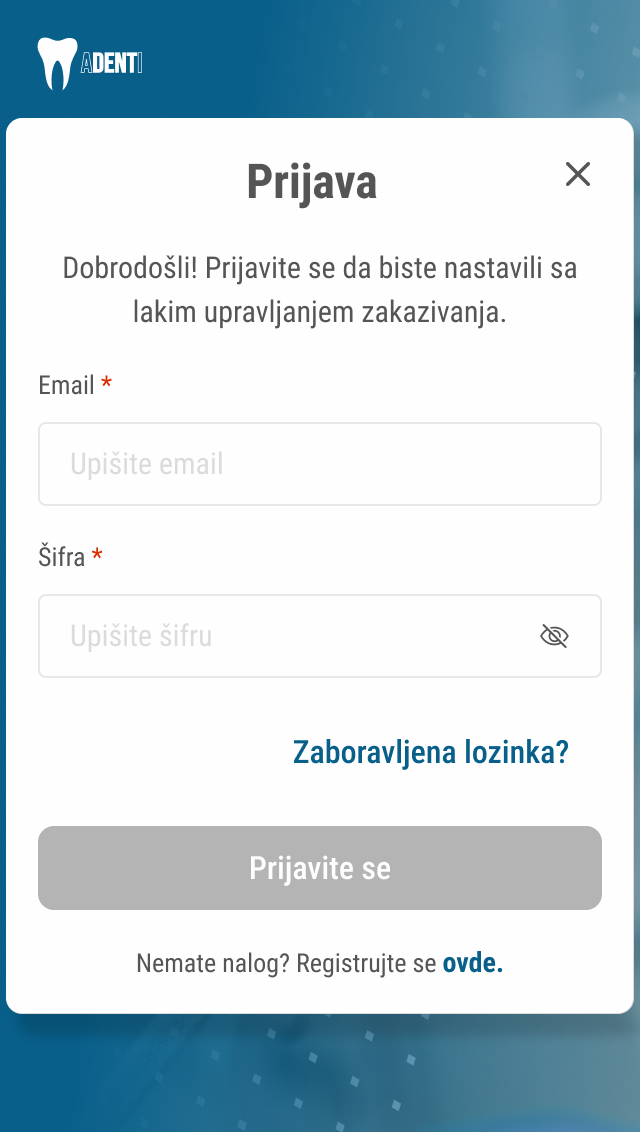
Entry-screen hierarchy
Branding and introductory copy frame the desktop entry experience, while the mobile layout brings the sign-in task forward.
DESKTOP
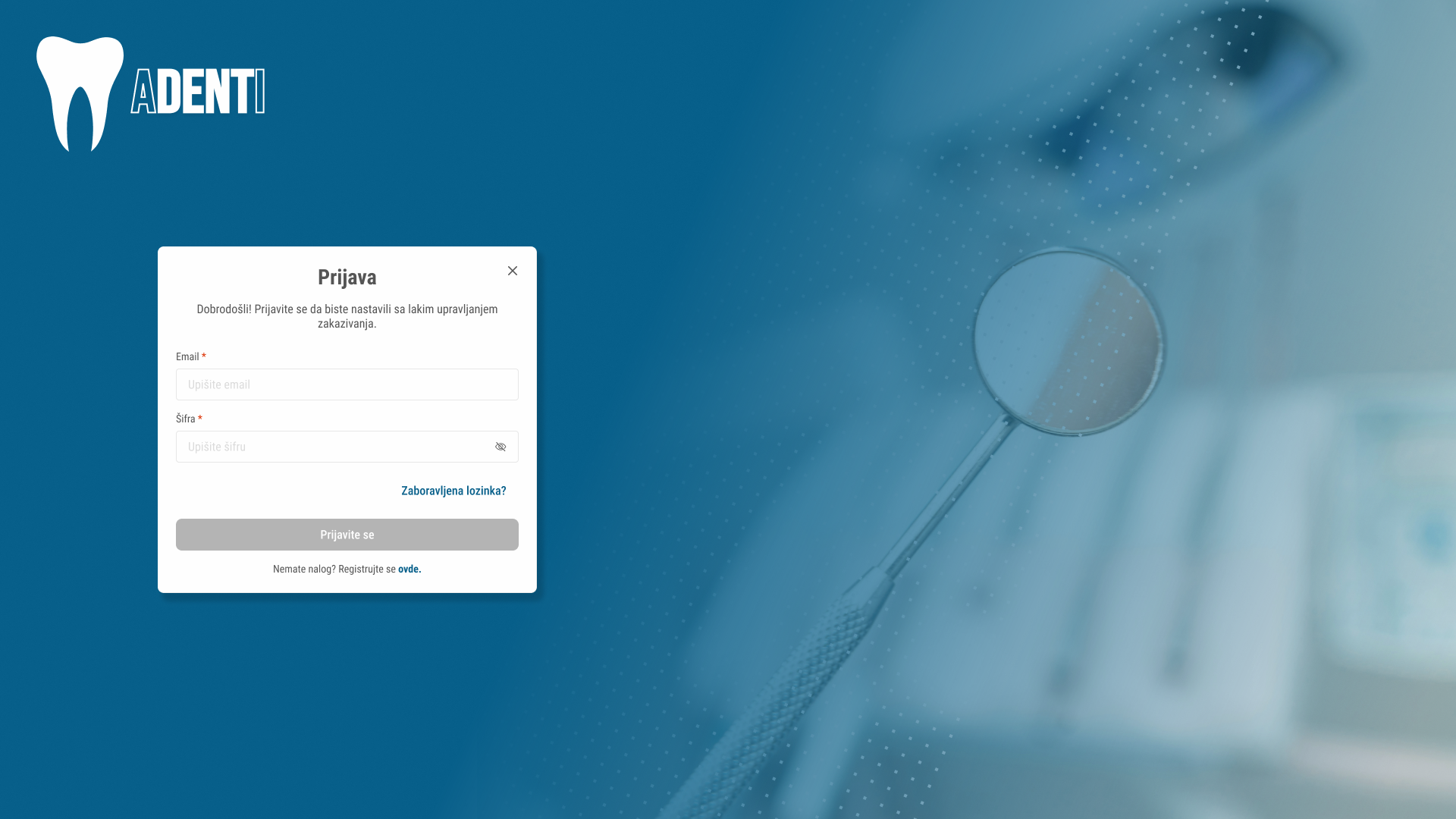
MOBILE
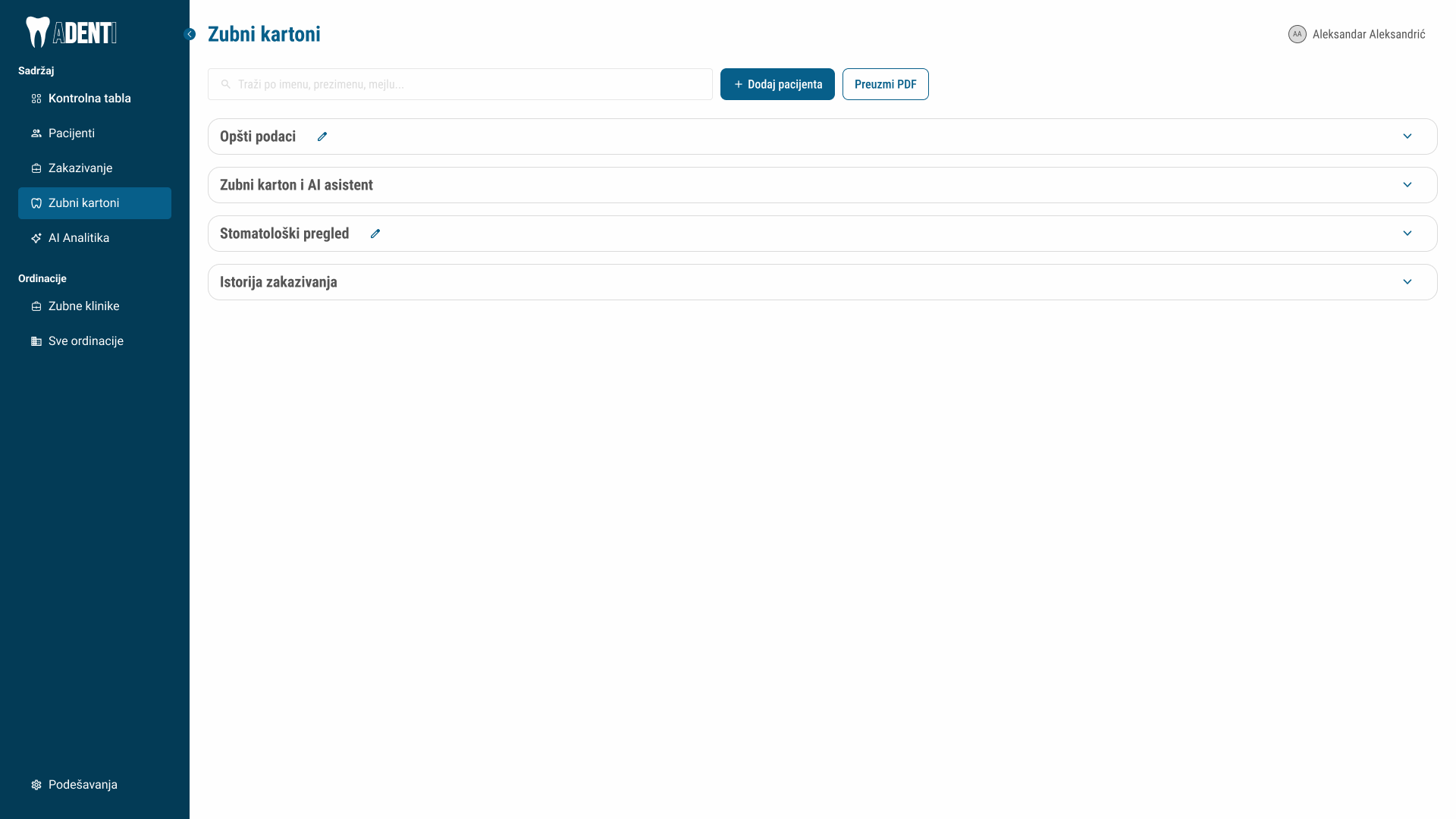
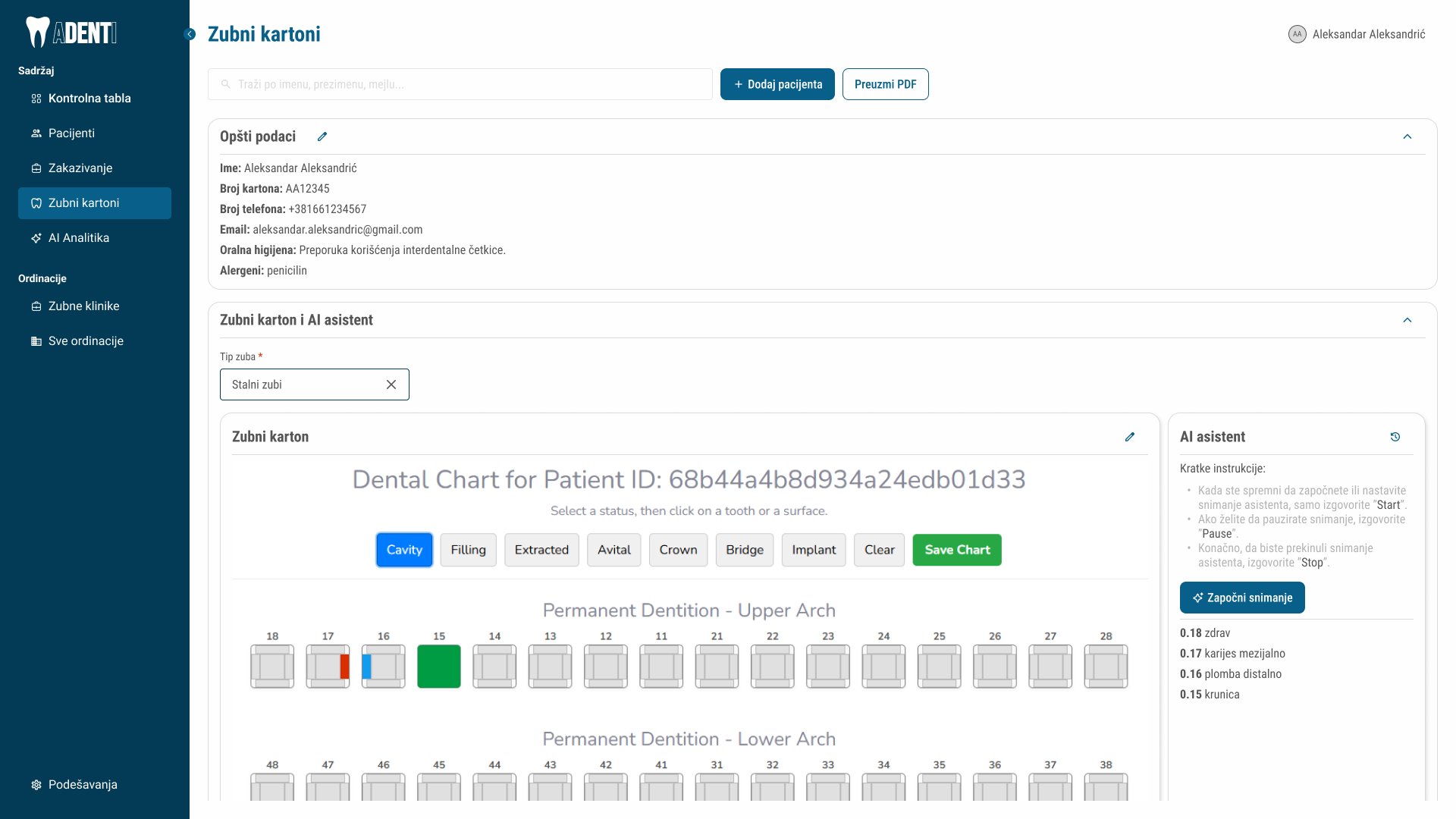
Progressive disclosure
Collapsible sections provide a compact record overview while keeping detailed clinical information accessible.
COLLAPSED STATE
EXPANDED STATE
MY CONTRIBUTION
Approach & Ownership
I independently defined the concept and scope, structured information architecture and workflows, and designed the interface and interaction patterns from initial framing to a cohesive design concept.
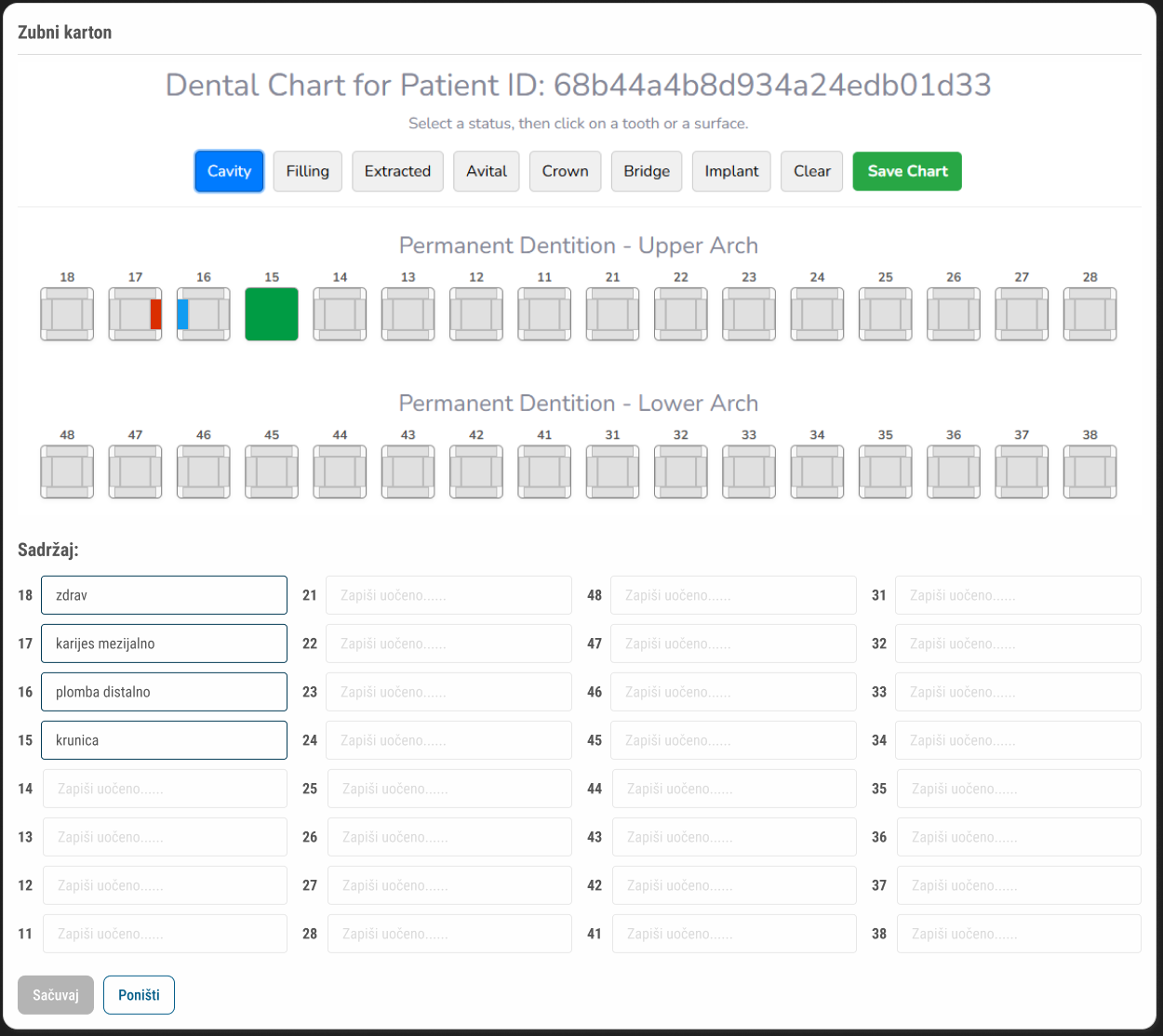
Clinical editing
The clinical editing view combines visual tooth status, tooth-level notes, and explicit save and cancel actions.
EDIT MODE
Reusable foundations
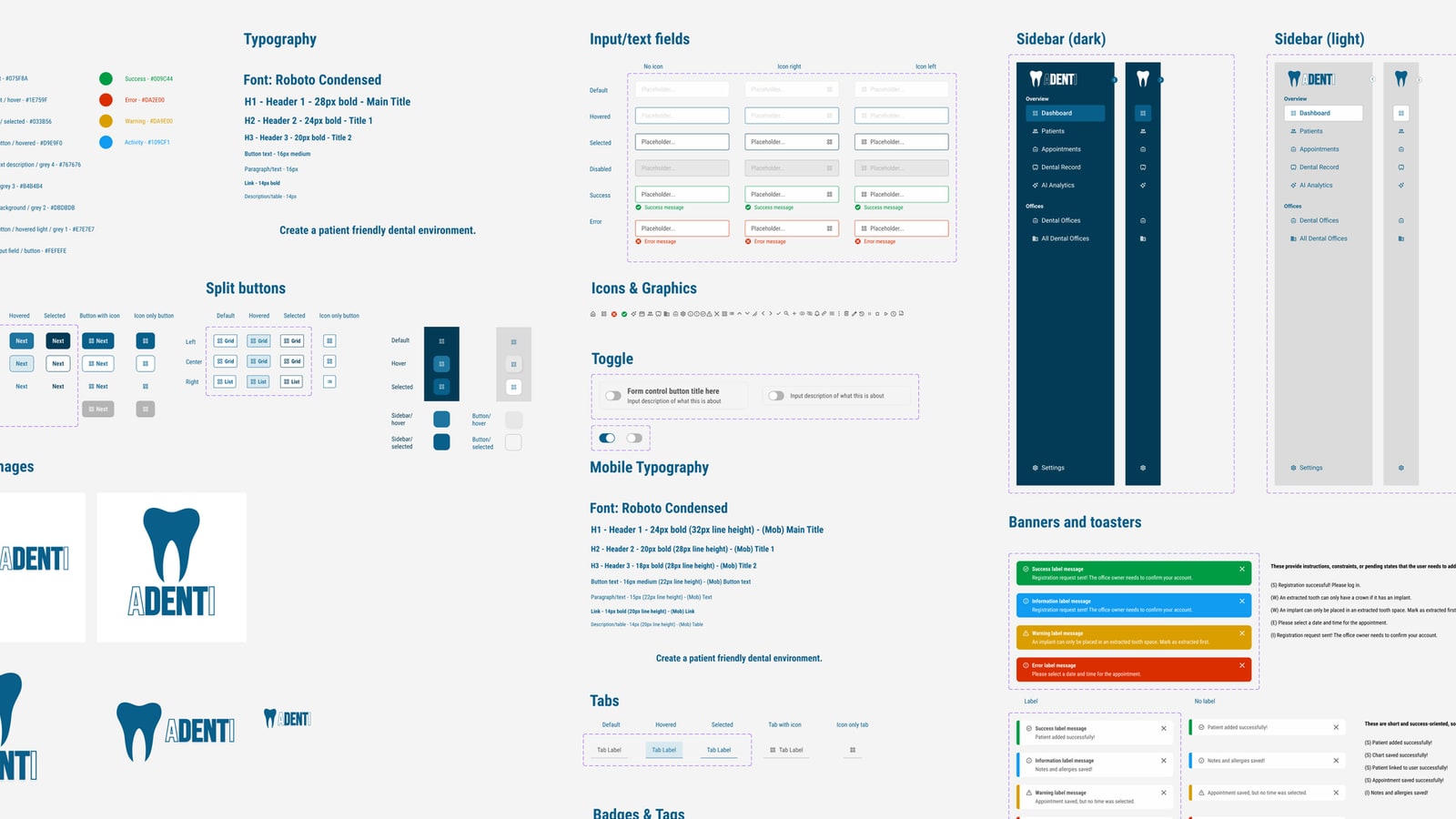
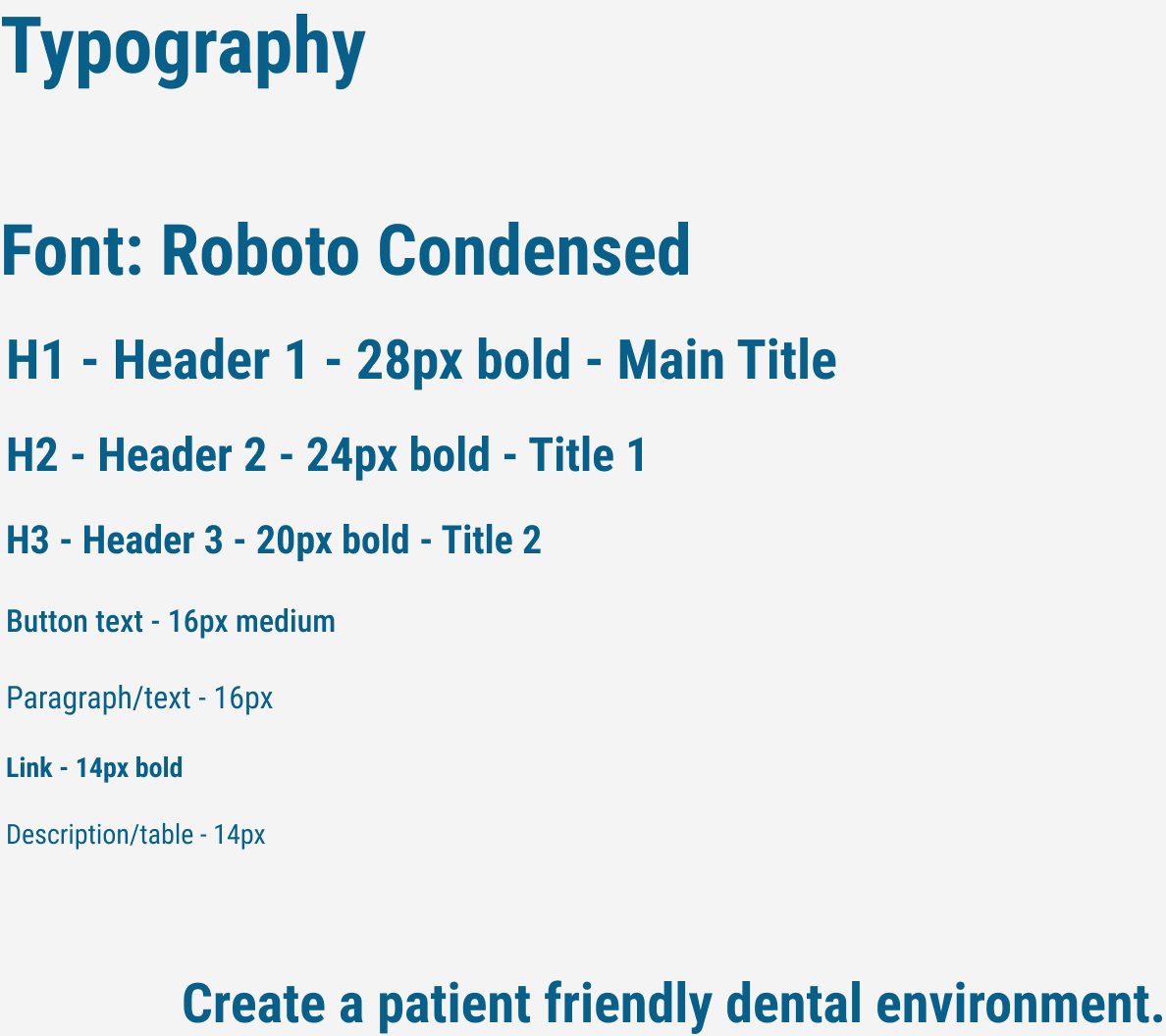
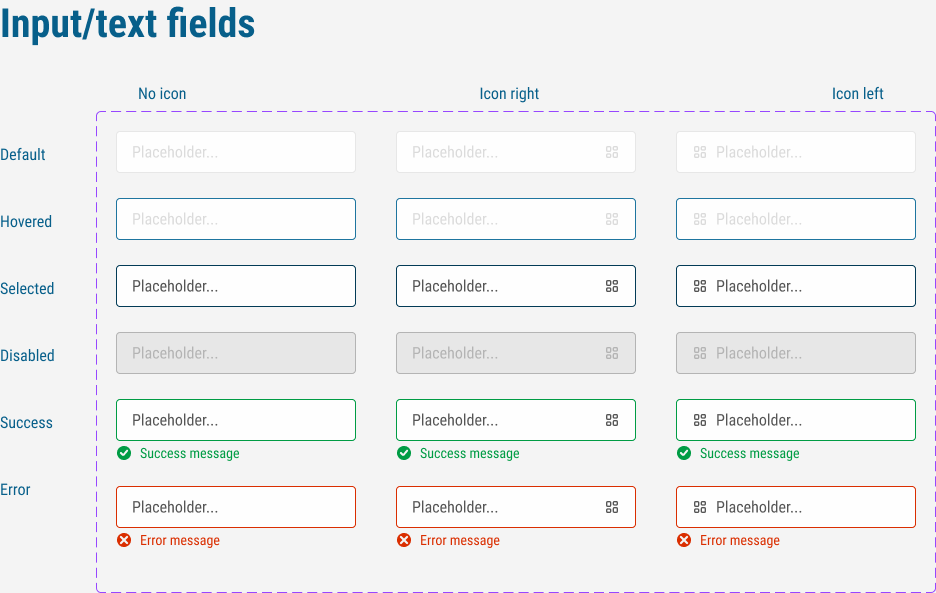
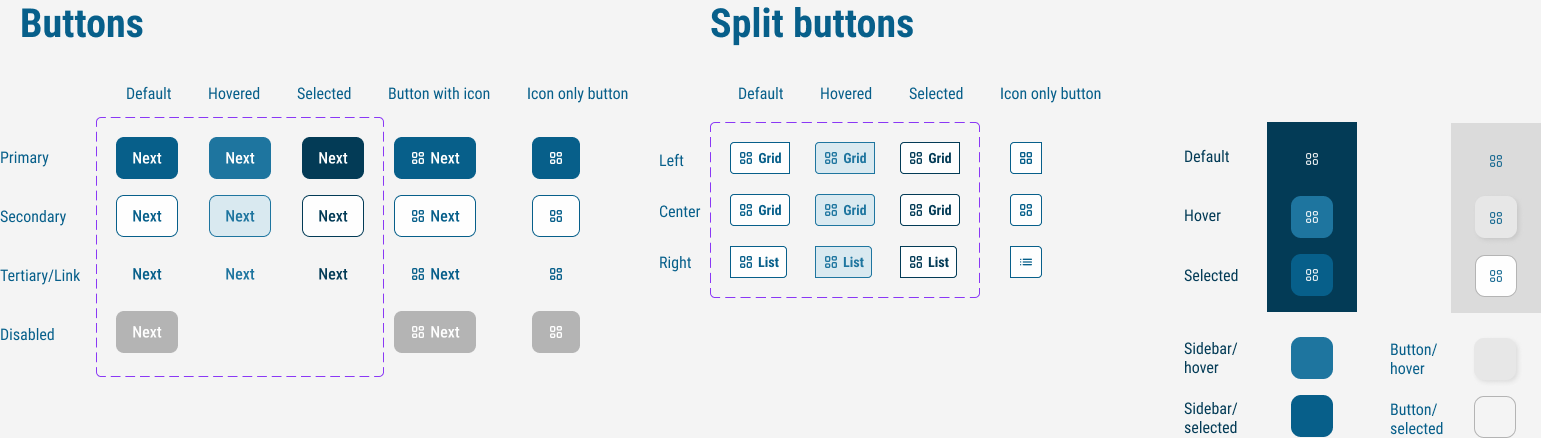
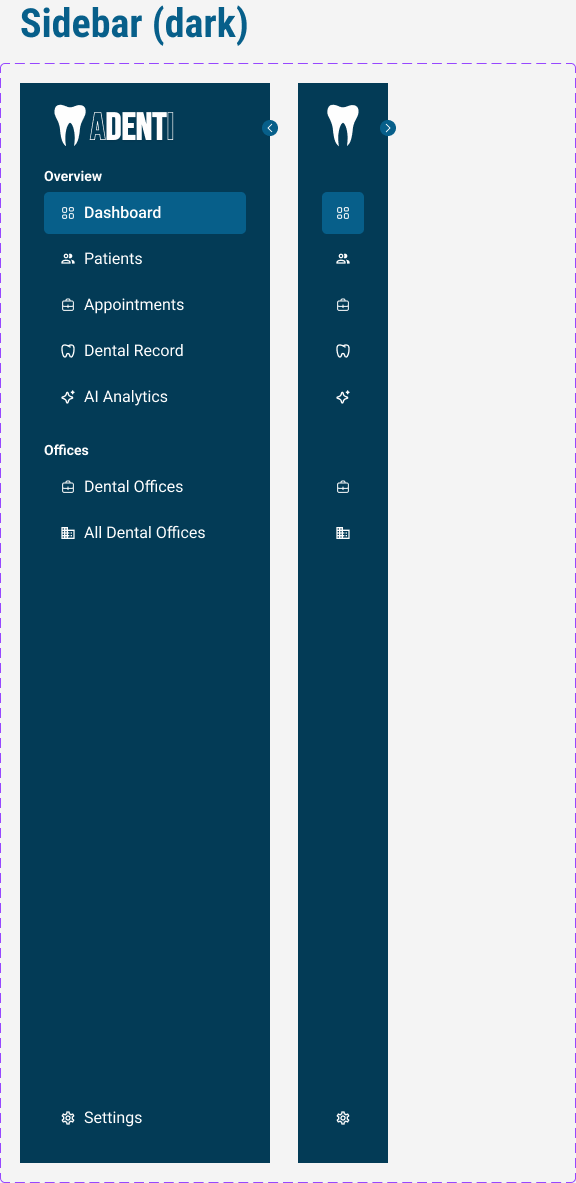
Reusable interface foundations establish consistent typography, controls, navigation, and feedback states.
TYPOGRAPHY
INPUTS
BUTTONS
NAVIGATION
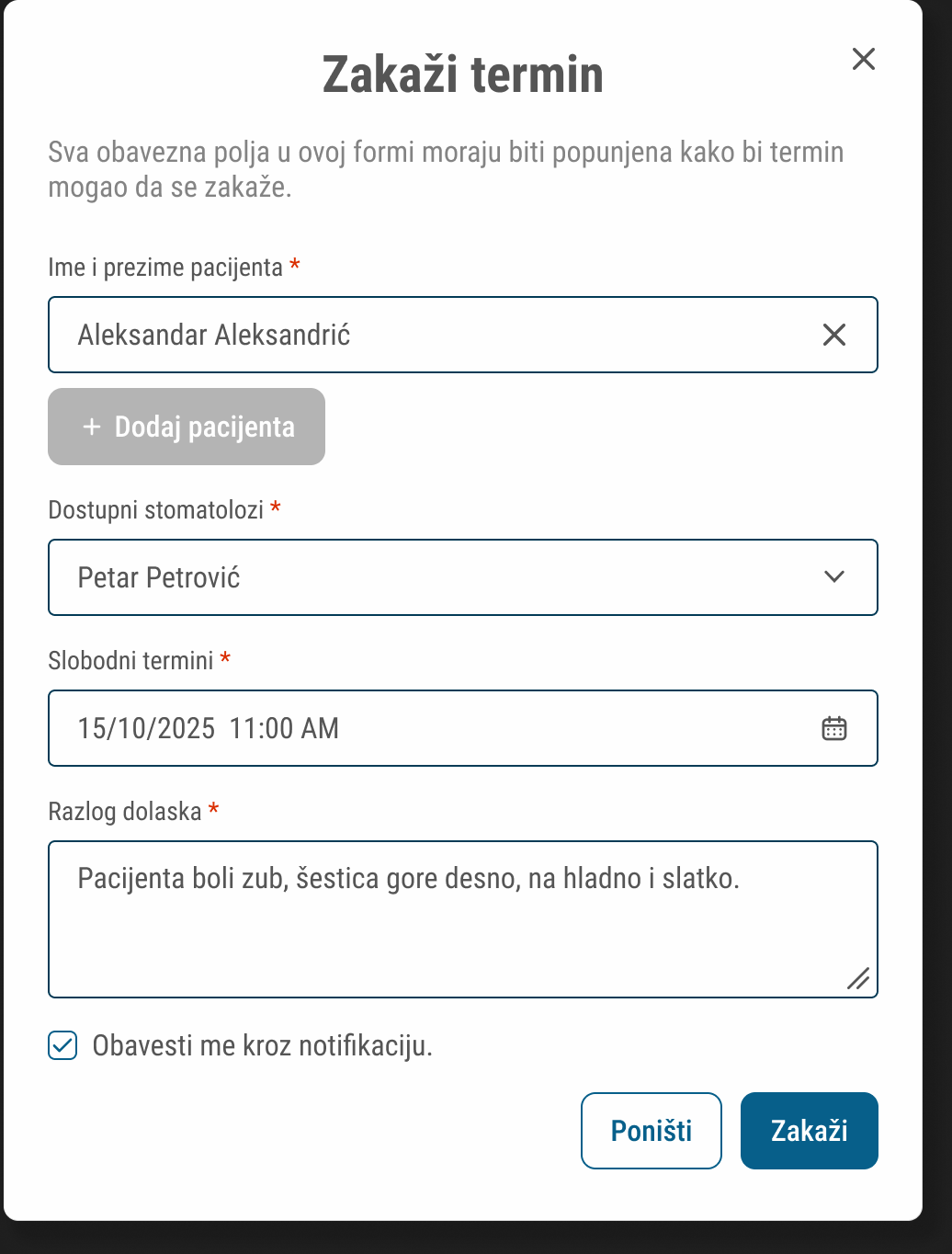
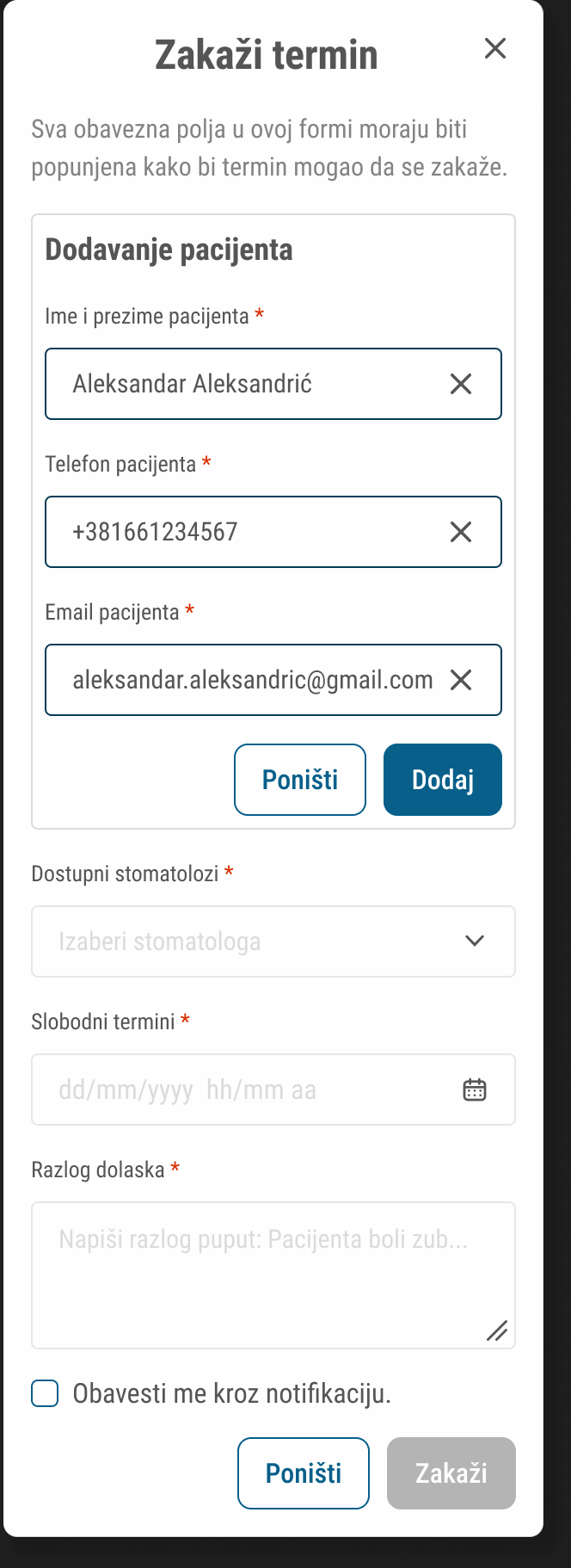
Scheduling workflow
The scheduling flow covers both selecting an existing patient and entering a new patient’s details within the appointment task.
EXISTING PATIENT
NEW PATIENT
KEY DECISIONS
Strategic Choices
- 01
Voice recognition writes the patient record automatically; the dentist keeps decision authority.
- 02
Transparency: distinguish AI suggestions from clinical data and decisions.
- 03
Calm, predictable patterns: make feedback, confidence cues, and next steps understandable.
OUTCOME
Results & Evidence
A cohesive concept for an AI dental assistant: voice recognition that writes the patient record automatically, with the dentist still in control of the clinical decision. This is a side project, not evidence of clinical validation, deployment, or measured healthcare outcomes.
LEADERSHIP LENS
What This Demonstrates
Highlights product framing, responsible interaction design, and independent ownership in a high-stakes domain.